
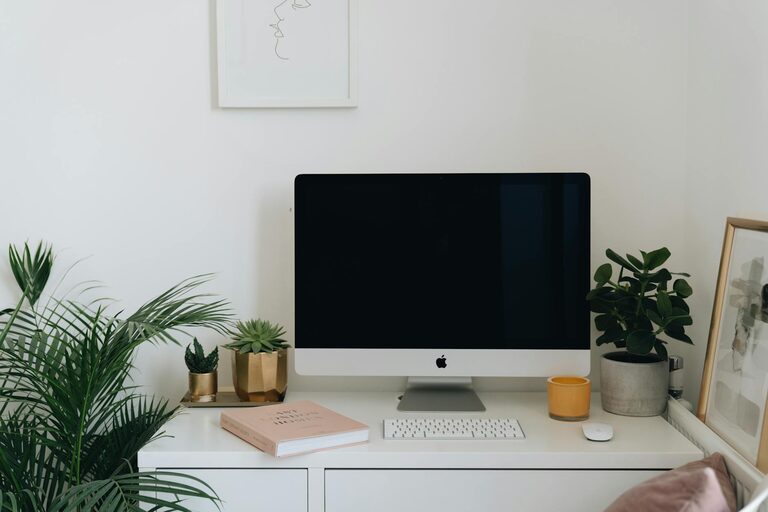
Tips for Creating a Relaxing Home Workspace to Boost Productivity
Creating a relaxing home workspace is essential for staying productive and focused, especially as many people continue to work remotely or spend more time on personal projects. A comfortable, well-organized area can reduce stress and increase your motivation, making it easier to complete tasks efficiently. In this post, we’ll explore practical tips to transform any corner of your home into a calming and productive workspace.
Why a Relaxing Workspace Matters
A cluttered, uncomfortable environment can lead to distractions, fatigue, and decreased work quality. Conversely, a peaceful workspace promotes mental clarity and encourages consistent productivity. When your workspace feels inviting and restful, you’ll naturally want to spend time there and focus better.
Choose the Right Location
Start by selecting a spot in your home that has minimal distractions and good natural light. Ideally, this area should be separate from high-traffic zones such as kitchens or living rooms, where noise and movement can interrupt your flow.
– Natural Light: Placing your desk near a window helps reduce eye strain and improves mood.
– Quiet: Aim for a place that minimizes background noise or consider noise-canceling headphones if unavoidable.
– Space: Ensure there is enough room for your desk, chair, and any work materials you need to keep handy.
Invest in Comfortable Furniture
Your workspace should support good posture and comfort to prevent physical strain.
– Ergonomic Chair: Choose a chair with adjustable height and proper lumbar support.
– Desk Height: Your desk should allow your arms to rest comfortably at a 90-degree angle while typing.
– Footrest: If your feet don’t rest flat on the floor, consider using a footrest to keep your legs supported.
Keep Your Space Organized
Clutter can overwhelm the senses and reduce your ability to concentrate. Use organizational tools to manage your materials.
– Storage Solutions: Use shelves, drawers, or filing cabinets to keep supplies and documents tidy.
– Minimalism: Keep only the essentials on your desk to maintain a clean and distraction-free surface.
– Routine Cleaning: Schedule time each week to tidy your workspace and ensure clutter doesn’t build up.
Create a Calming Atmosphere
The physical environment of your workspace influences your mental state. Incorporate elements that promote relaxation and reduce stress.
– Colors: Use calming colors like soft blues, greens, or neutrals on walls and decorations.
– Plants: Adding greenery improves air quality and adds a touch of nature, which can be calming.
– Lighting: Avoid harsh overhead lights; instead, use adjustable desk lamps or soft ambient lighting.
Personalize Without Overdoing It
Adding personal touches helps make your workspace inviting but avoid overwhelming it.
– Photos or Art: Display a few favorite pictures or artwork that inspire you.
– Inspirational Quotes: Place motivational sayings where you can see them easily.
– Aromatherapy: Use subtle scents, like lavender or eucalyptus, to promote relaxation without distracting.
Establish Boundaries and Routines
Having clear rules and habits around your workspace can enhance your productivity.
– Work Hours: Define specific start and end times for work to create a separation between your professional and personal life.
– Breaks: Schedule regular short breaks to stretch, hydrate, or relax briefly to maintain focus.
– Technology Use: Limit distractions by turning off unnecessary notifications and using apps to block distracting sites during work periods.
Incorporate Technology Wisely
Technology can either enhance or hinder your productivity, depending on how you use it.
– Reliable Equipment: Use a dependable computer, fast internet connection, and necessary peripherals to work efficiently.
– Cable Management: Organize cables with clips or ties to keep your desk tidy.
– Noise Control: Use headphones or white noise apps to create a sound environment that suits your focus needs.
Final Thoughts
Designing a relaxing home workspace is about combining comfort, functionality, and personal style to create an environment that supports your best work. By choosing the right location, investing in ergonomic furniture, organizing your tools, and tailoring your space to your preferences, you can boost your productivity while maintaining a sense of calm throughout the day. Remember, a workspace that feels good is a crucial step toward achieving your goals effectively.
